
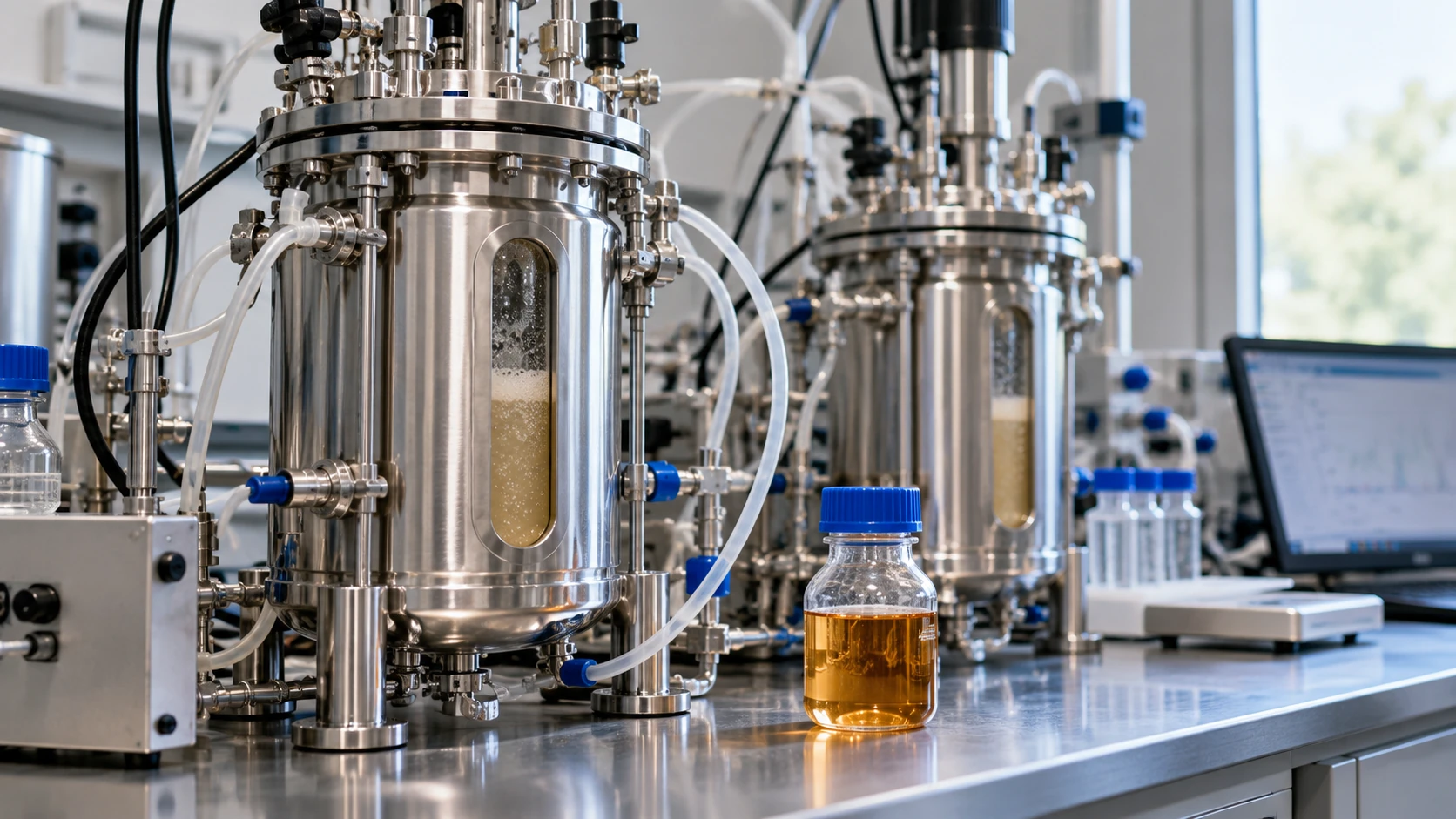
Developing fuels from locally available biological resources
Biofuel development begins with a practical question: which locally available biological resources could support a useful, dependable fuel pathway? EBIT Energy’s ambition is to explore indigenous solutions that connect suitable feedstocks, appropriate conversion methods and a clearly understood end use. The aim is to build a stronger foundation for local energy capabilities while recognising that every resource and application needs its own evidence.
This service area is in development. Our focus is on identifying opportunities and building the research and collaboration needed to assess them. A promising material is a starting point for investigation; it is not yet a proven commercial fuel. Decisions about scale, equipment or supply should follow a clear understanding of the material, the process and the requirements of the intended user.
Start with the feedstock
Agricultural residues and other suitable biological materials differ in composition, moisture, seasonal availability and existing uses. An initial assessment should establish where the resource comes from, who controls it, how it is collected and whether consistent quantities can be made available. A nearby resource may still be difficult to use if collection is fragmented or storage leads to deterioration.
Resource planning also needs to account for competing uses. Residues may already serve farmers, livestock or local industries, and some material may need to remain in the field. Understanding this context helps distinguish a theoretical resource estimate from a supply that could realistically support development. Quantity, quality, transport distance and timing belong in the same conversation.
Match the development pathway to the intended use
A useful development brief describes the energy need before selecting a conversion route. The relevant questions include whether the intended product is for heat, power or another fuel application; what handling system will be used; and which product properties must be demonstrated. These requirements influence the choice of testing, processing and specialist collaborators.
Different pathways require different equipment, utilities and operating conditions. Comparing alternatives should include material preparation, energy inputs, process outputs, by-products and practical operating needs. The purpose is to identify an approach that can be evaluated with measurable criteria, rather than selecting a technology solely because it appears attractive in a presentation.
Build evidence in stages
A staged programme can begin with representative sampling and basic characterisation, then progress to appropriate laboratory or pilot work. Each stage should answer a defined question: can the material be processed consistently, does the resulting product meet the intended requirements, and which constraints remain unresolved? Testing should document both useful results and limitations.
Moving towards a larger demonstration would require a more complete understanding of feedstock supply, site suitability, process performance and operating costs. EBIT’s development vision is to bring these connected questions into a coherent discussion. Technology providers, researchers and potential users can contribute different kinds of evidence before a commercial decision is made.
Who can contribute
Potential collaborators include agricultural producer groups, resource aggregators, research institutions, process specialists and organisations with an identifiable energy requirement. Productive early conversations are specific: a feedstock description, a location, an indicative seasonal profile and an explanation of the intended use are more useful than a broad claim of unlimited availability.
If you would like to explore an opportunity with EBIT, share the resource or technology you are working with, the evidence already available and the question you want to resolve. We can use that information to understand the proposed fit and discuss a sensible next step. Project scope, responsibilities and any commercial terms would be agreed separately.
Common questions
Is a particular fuel already available to order? This service page describes a development focus, not a product catalogue or a confirmation of ready commercial supply. Contact EBIT to discuss the current status of a specific opportunity.
Can any organic material be used? Suitability depends on the material, the conversion route and the intended application. A resource should be assessed before claims about performance, economics or environmental outcomes are made.